
Winny had just given birth at a small rural dispensary in Kenya when she was told the words no mother should ever hear: her baby would not survive.
He had arrived too soon — born at just 30 weeks and weighing only 2.2 pounds. He was fragile, tiny, and desperately in need of specialized care the facility could not provide. The umbilical cord had not even been tied when Winny was handed her newborn son in a box and told to take him home for burial.
But on the motorcycle ride home, Winny heard something that changed everything.
A cry.
Her son was alive.
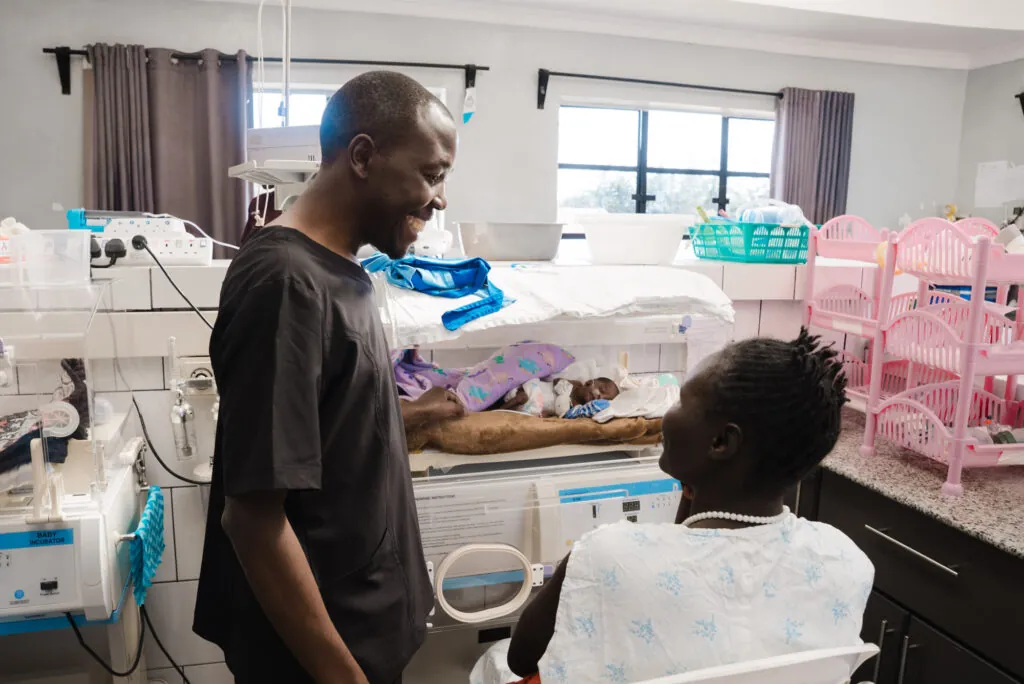
Winny and her husband rushed him to Kapsowar Mission Hospital, where the newborn team moved quickly. They warmed his tiny body. They started IV fluids. They administered antibiotics. They began the careful, disciplined work required to help a critically premature baby survive.
Many people would call what happened next a miracle. And it was. But miracles in places like Kapsowar often arrive through trained hands: a nurse who knows how to warm a premature infant safely, a clinician who recognizes the danger signs, a mother taught to hold her baby skin-to-skin, and a hospital team equipped to keep fighting when every breath matters.
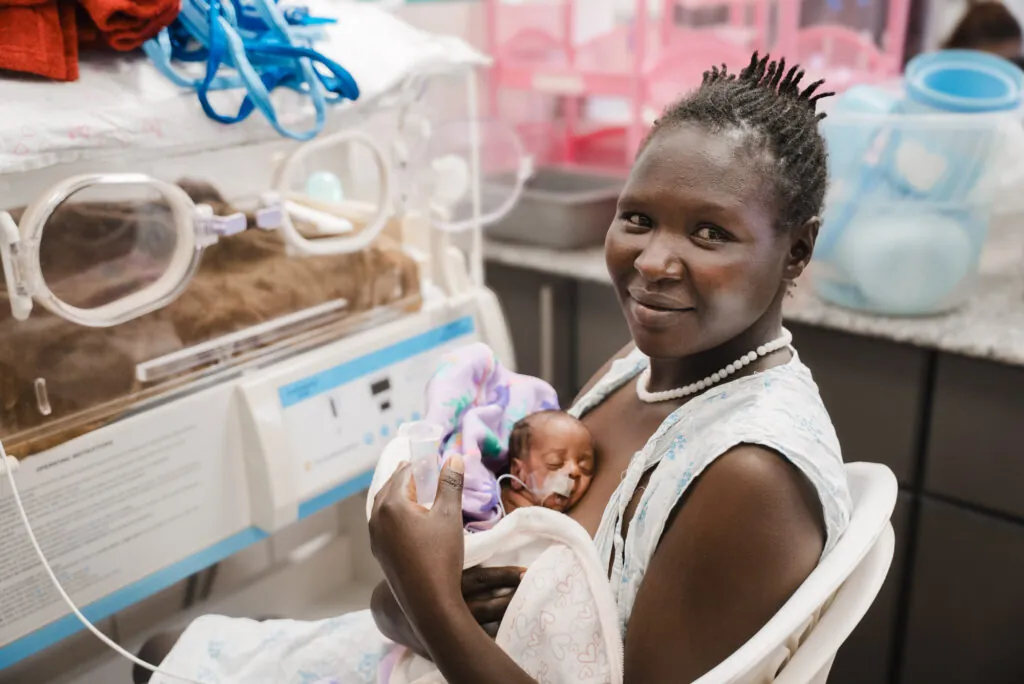
For 47 days, Winny stayed by her son’s side. She held him close through kangaroo mother care. She watched his body grow stronger day by day. She waited, prayed, learned, and loved him through the long, uncertain work of survival. And at last, she walked out of the hospital carrying her son in her arms.
Saving a Baby Like Winny’s Son Takes More Than One Moment
The story begins with a cry. But it does not end there.
A premature baby does not survive because of one intervention alone. A child like Winny’s son needs warmth, oxygen support when needed, infection prevention, careful feeding, monitoring, medications, equipment, and staff who know what to do when a tiny body begins to struggle.
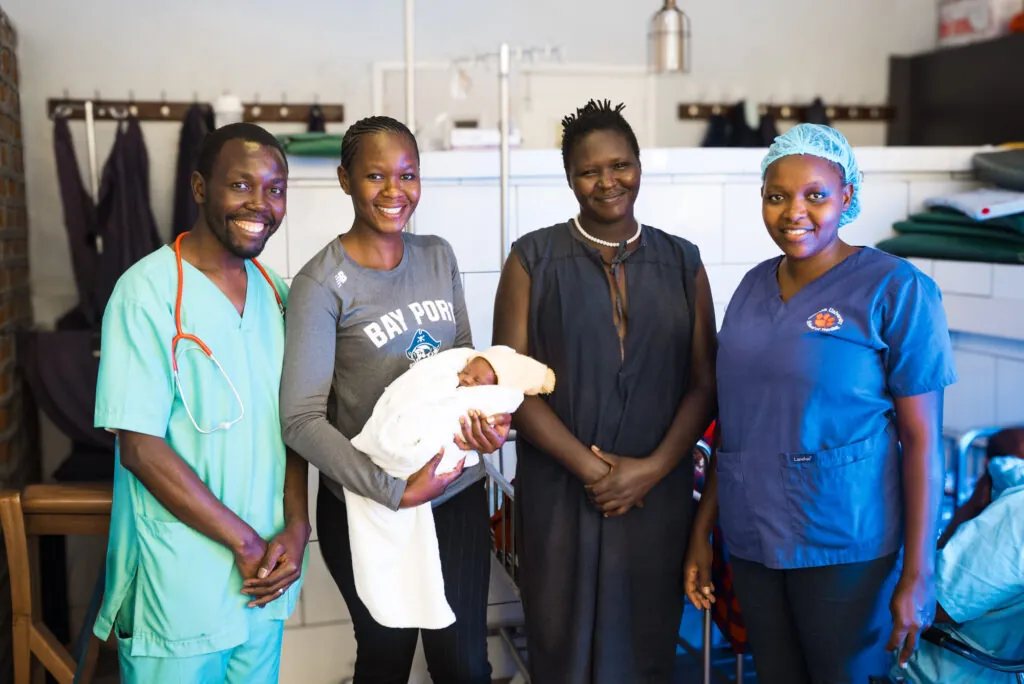
That is why training matters so deeply.
Kapsowar Mission Hospital is not simply a place where desperate families arrive. It is a regional mission hospital in Elgeyo Marakwet County, Kenya, founded in 1934 and now serving as a 130-bed Level 5 referral hospital for the region. Kapsowar is the largest referral hospital in the region, staffed by both Kenyan-trained and missionary physicians and surgeons.
For mothers and newborns, this matters enormously. Kapsowar reports that it has the region’s only higher-level newborn unit with incubator care — the kind of capacity that can mean the difference between being sent home without hope and being given a fighting chance.
But equipment alone is not enough.
A warmer is only as effective as the person who knows when and how to use it. Antibiotics only help when a clinician recognizes the danger of infection. Feeding plans only work when staff understand the delicate needs of premature babies. A newborn unit becomes life-saving not because machines are present, but because trained people are ready.
Tiny Feet, Big Steps
Through support from African Mission Healthcare, providers from Kapsowar were able to attend the Tiny Feet, Big Steps Conference, receiving additional neonatal training and resources to help care for critically premature infants like Winny’s son.
Tiny Feet, Big Steps is designed specifically for the realities of caring for premature and critically ill babies in African hospital settings. Its training emphasizes practical, low-cost, low-technology solutions in areas such as thermoregulation, respiratory support, neonatal feeding and nutrition, and infection prevention.
That kind of training is not abstract. It shows up at the bedside.
It shows up when a nurse knows that a baby born too early cannot regulate his own temperature.
It shows up when a team understands that a premature baby’s cry is not enough — he still needs careful monitoring, protection from infection, and help gaining strength.
It shows up when a mother like Winny is not left alone with fear, but is brought into the care of her child through skin-to-skin holding, encouragement, and the steady presence of a trained team.
Since 2021, Tiny Feet, Big Steps has trained hundreds of African doctors and nurses from hospitals across sub-Saharan Africa, multiplying newborn-care skills far beyond a single conference room.
This is the hidden work behind a public miracle.
The photograph of Winny holding her baby is beautiful. But behind that image are hours of training, years of hospital development, strategic investments in equipment and infrastructure, clinical protocols, late-night decisions, and donors who believed that a child born too soon in rural Africa should still have a chance to live.
Every Breath Matters
Winny’s son was once placed in a box because no one expected him to survive.
At Kapsowar, he was placed in the care of people who had been trained to believe otherwise.
They saw not a lost cause, but a child. Not a statistic, but a son. Not a burden, but a life worthy of every effort.
Through the support of faithful donors, that is what African Mission Healthcare helps make possible.
When AMH invests in mission hospitals, training, equipment, and clinical partnerships, the impact is not theoretical. It is measured in the smallest bodies, the most fragile breaths, the mothers who refuse to give up, and the hospital teams prepared to meet crisis with skill.
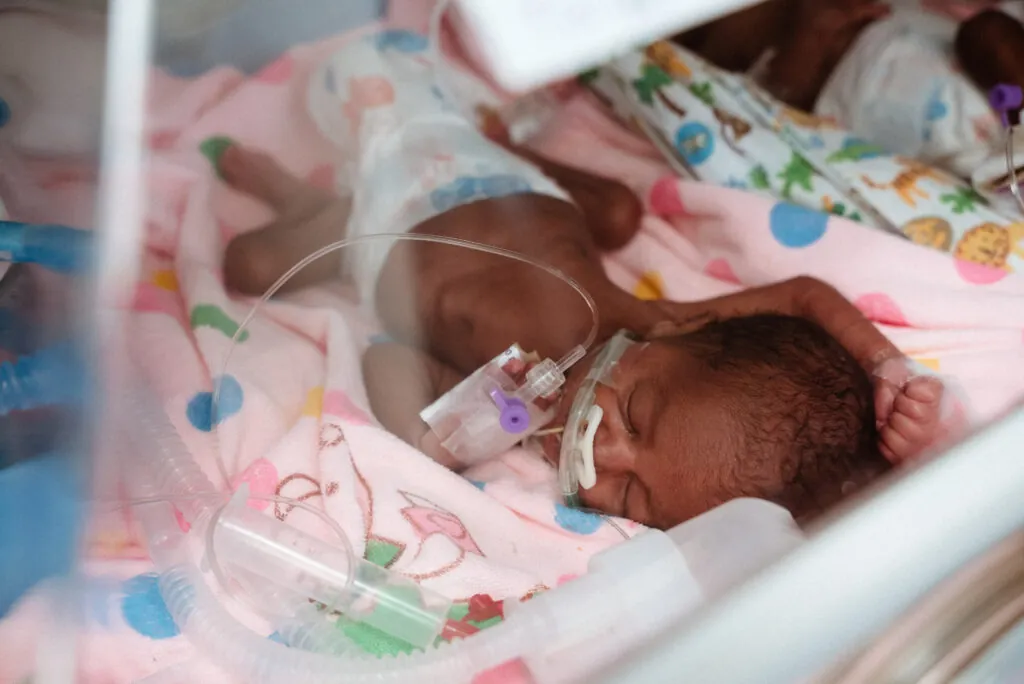
Winny’s son survived because his mother heard his cry.
He came home because a hospital was ready.
And that readiness — built through training, strengthened by partnership, and sustained by generosity — is what gives the next tiny baby a chance to cry, breathe, grow, and live.