
When a mother needs an emergency C-section, minutes matter.
A delay can mean the difference between safety and tragedy. In rural communities, those delays are often caused not by lack of compassion, but by poverty, limited resources, overburdened staff, and hospital systems stretched far beyond what they were built to handle.
That is why African Mission Healthcare’s “Surgical Access for Everyone” program, known as SAFE, is about more than paying for surgery. SAFE helps remove financial barriers for patients in greatest need while also strengthening the systems hospitals use to deliver timely, high-quality care.
A new study accepted for publication in BMC Pregnancy and Childbirth examined emergency C-sections at four AMH-supported mission hospitals in southwestern Uganda: Ibanda, Nyakibale, Rushoroza, and Rwibaale. The study looked at decision-to-delivery interval, or DDI, which measures the time between a clinician’s decision to perform an emergency C-section and the birth of the baby.
Internationally, a decision-to-delivery interval of less than 75 minutes is an important quality benchmark for emergency obstetric care. In many rural and resource-limited settings, meeting that standard is extremely difficult.
The study found encouraging progress.
From 2020 to 2023, compliance with the under-75-minute benchmark improved from about 30% to nearly 70% across the four hospitals studied. SAFE-sponsored patients also had stronger documentation of decision-to-delivery times, especially after the program became established. By late 2023, documentation had improved for both SAFE and non-SAFE patients, suggesting that the program’s disciplined systems may have helped raise the standard of care more broadly across participating hospitals.
The study also found that SAFE-sponsored patients had a slightly shorter median decision-to-delivery interval than non-sponsored patients: 58 minutes compared with 62 minutes. The difference was modest, but statistically significant overall, and two hospitals, Rwibaale and Nyakibale, showed especially meaningful improvement.
For donors, the finding is powerful: your generosity does not simply pay a bill. It helps a hospital move faster, document better, and build more reliable systems of care.
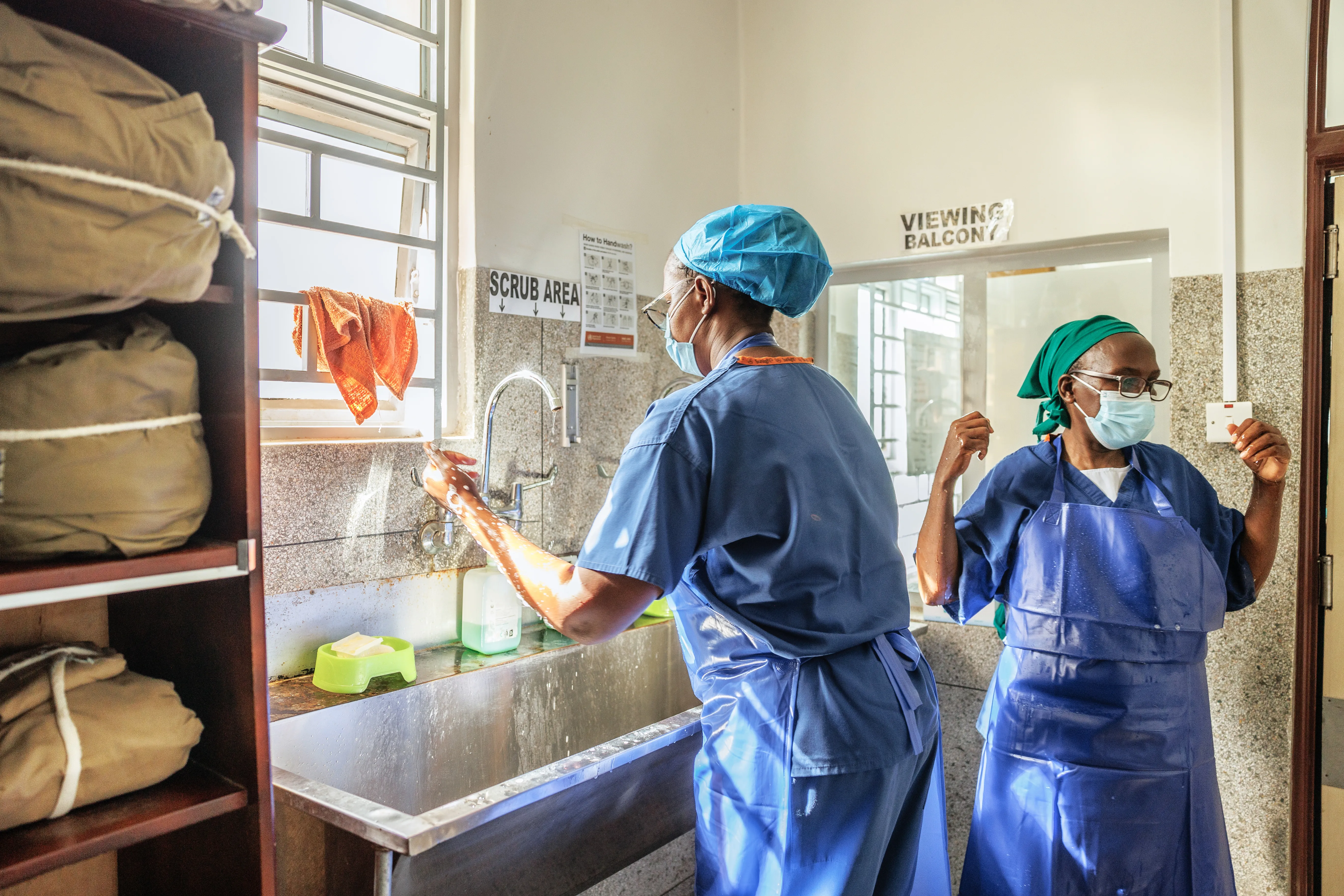
Removing the Delay That Poverty Creates
For a woman in obstructed labor or fetal distress, the need for surgery may be urgent. But in many settings, the question is not only, “Can the hospital perform the surgery?” It is also, “Can the family afford it?”
SAFE is designed to remove that barrier.
At participating hospitals, when a low-income mother needs an emergency C-section and cannot afford the cost, SAFE makes it possible for care to proceed without a financial delay. The program also requires careful case management and documentation, including the exact time the decision for surgery is made and the time the baby is delivered.
That kind of documentation matters. What gets measured can be improved. And in emergency maternity care, improvement can mean mothers and babies reaching surgery sooner.
A Gift That Strengthens the Whole Hospital
One of the most encouraging parts of the study is that the benefits were not limited only to sponsored patients.
Because the same clinical teams cared for both SAFE and non-SAFE patients, the program’s procedures appear to have influenced the broader hospital environment. As hospitals became more consistent in documenting emergency C-section care for SAFE patients, documentation and timeliness improved across the wider patient population as well.
That is exactly the kind of lasting change AMH seeks to build.
AMH’s work is rooted in a simple but powerful vision: treat patients today, train health workers for tomorrow, and transform hospitals for the future. SAFE does all three. It helps an individual mother receive the urgent care she needs. It reinforces good clinical practice among medical teams. And it strengthens the systems that allow mission hospitals to serve their communities with excellence over time.
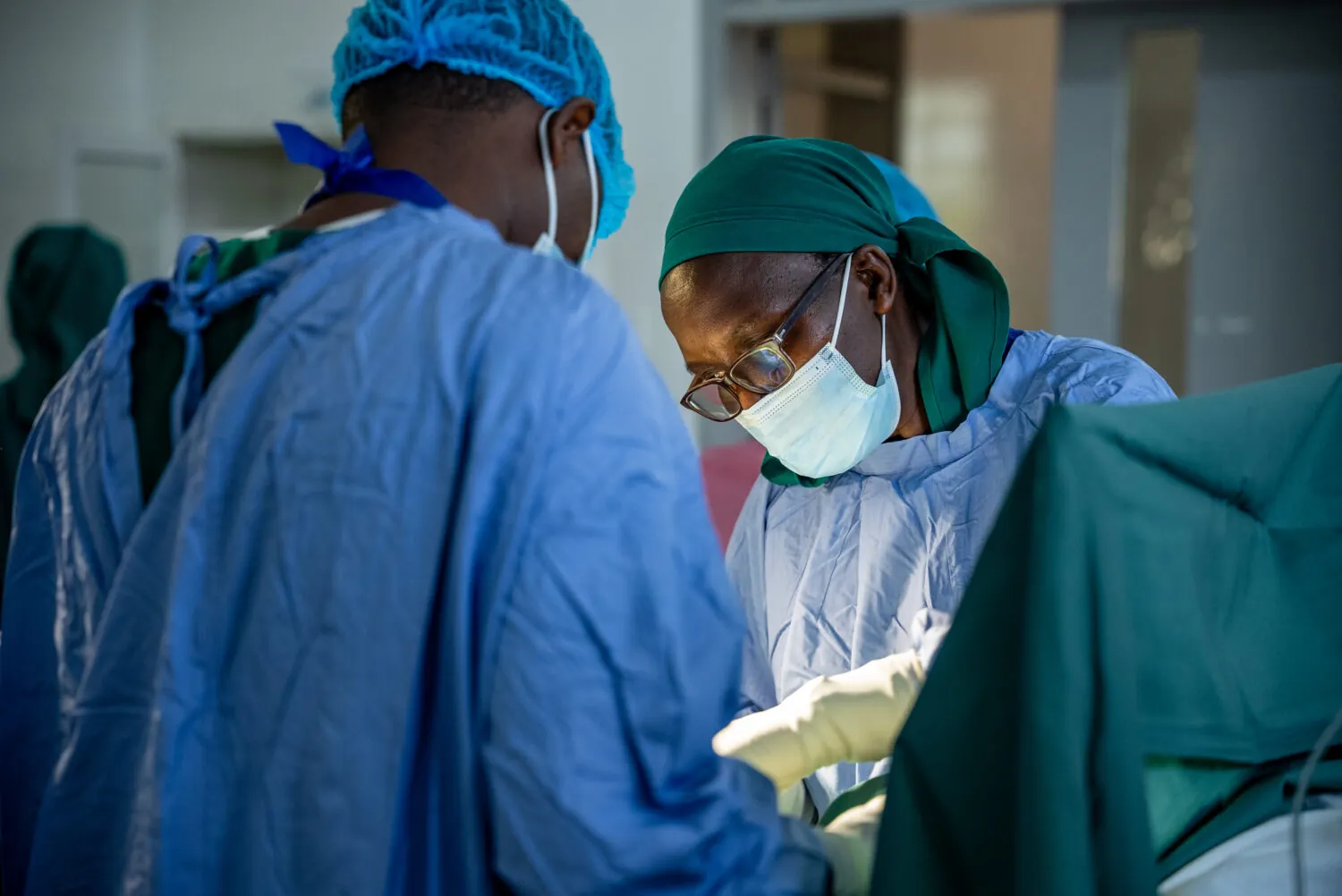
Progress Worth Celebrating — and Continuing
The study also shows that there is more work to do. Some facilities improved faster than others. Category 1 emergencies, the most urgent cases, remain especially difficult to move within the shortest recommended timeframes. Continued investment in training, staffing, data systems, operating room readiness, anesthesia support, and hospital infrastructure will be essential.
But the direction is clear.
In hospitals where resources are limited and poverty can delay care, SAFE is helping mission hospitals move toward faster, better-documented emergency C-section care. Donor support is not only opening the operating room door for women who cannot afford surgery. It is helping hospitals build the habits, protocols, and accountability that improve care for many more patients.
When a mother and baby are in danger, every minute matters.
Through SAFE, AMH donors are helping mission hospitals make those minutes count.
Give now to help provide life-saving surgery and strengthen mission hospitals across Africa.
Click here to support SAFE through your gift to African Mission Healthcare.